
By Margaret Mitchell
Frankly my dear, I don’t give a damn (about your opinion on this book!)
Scarlett Before the Book
I loved Scarlett O’Hara before I ever read a word Margaret Mitchell wrote.
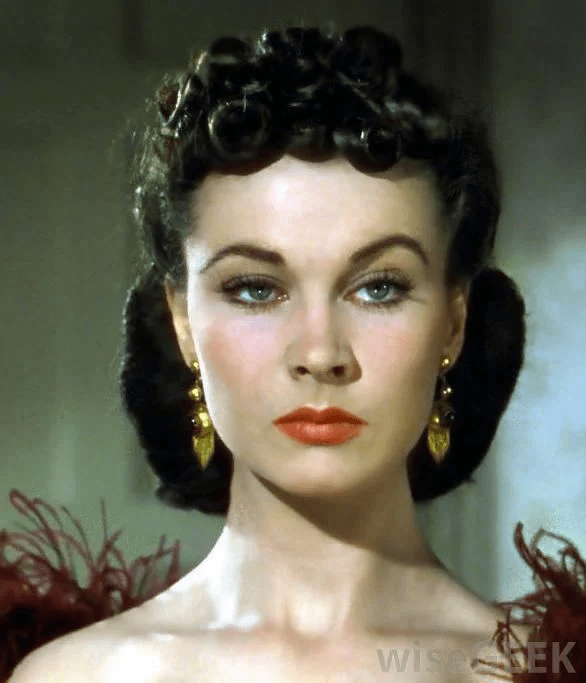
Growing up, I was obsessed with the film. Vivien Leigh is Scarlett, as far as I’m concerned, and I don’t think any amount of literary snobbery will change that. I watched it more times than I can count, drawn to this woman who refused to be small. She was ambitious, stubborn, selfish, and completely unapologetic about all of it. In a world that demanded women be quiet and accommodating, Scarlett stared down disaster and declared, “I’ll never be hungry again.” I wanted to be her. I still sort of do.
So when I found the novel in a charity shop for the princely sum of 50p, I grabbed it without thinking. The film is nearly four hours long, so I wasn’t surprised to discover the book runs to over a thousand pages. What did surprise me was how much the film had left out.
What the Film Doesn’t Tell You
The film is a masterpiece of adaptation. It captures the sweep, the romance, the burning of Atlanta. But four hours, it turns out, isn’t nearly enough to contain everything Mitchell put on the page. Here’s what struck me most.
Scarlett has three children, not one. This was the first thing that caught me off guard. In the film, Bonnie Blue Butler is the only child who gets any real attention, and you’d be forgiven for thinking she’s Scarlett’s sole offspring. In the book, Scarlett has a child from each of her three marriages: Wade Hampton Hamilton, Ella Lorena Kennedy, and then Bonnie. Wade and Ella are entirely absent from the film, but in the book they’re a quiet, persistent presence. Scarlett is not a natural mother, and her awkward, sometimes neglectful relationship with her older children adds a layer of complexity the film simply doesn’t have room for.
Scarlett’s inner life is far richer. The film gives us Scarlett’s actions and reactions, but the book gives us her thoughts. Mitchell takes you inside her head constantly, and what you find there is fascinating. Scarlett is sharper than people give her credit for, but she’s also a world-class self-deceiver. She constructs elaborate justifications for her worst behaviour, tells herself lies about Ashley, and bulldozes through situations with a kind of wilful blindness that’s both infuriating and painfully recognisable. Vivien Leigh conveys a lot through sheer force of performance, but there are dimensions to book-Scarlett that no actress could fully capture in a look or a line reading.
Whole characters are missing from the film. The most notable absence is probably Archie, a one-legged ex-convict who becomes Scarlett’s chaperone and carriage driver. He’s a grim, morally rigid figure who detests Scarlett but works for her anyway, and their interactions are darkly entertaining. There’s also a much larger cast of Atlanta society figures whose gossip, judgements, and social manoeuvring give the book a texture the film can only gesture at. The Reconstruction-era politics are more detailed, the business dealings more fleshed out, and the world feels fuller as a result.
Melanie and Ashley have more to them. This was one of the biggest revelations for me. In the film, Melanie Wilkes comes across as saintly to the point of being one-dimensional. In the book, she’s still good, but there’s a quiet ferocity underneath it. Her kindness isn’t naivety; it’s a choice she makes deliberately, often in the face of people who don’t deserve it. She’s one of the strongest characters in the novel, and the book makes that far clearer than the film ever does. Ashley, meanwhile, is harder to dismiss as a wet flannel when you can read his thoughts. He’s still frustrating, but his internal contradictions make more sense on the page. He’s a man who knows the world he loved is gone and can’t bring himself to thrive in the new one. The film makes him look weak. The book makes him look tragic.
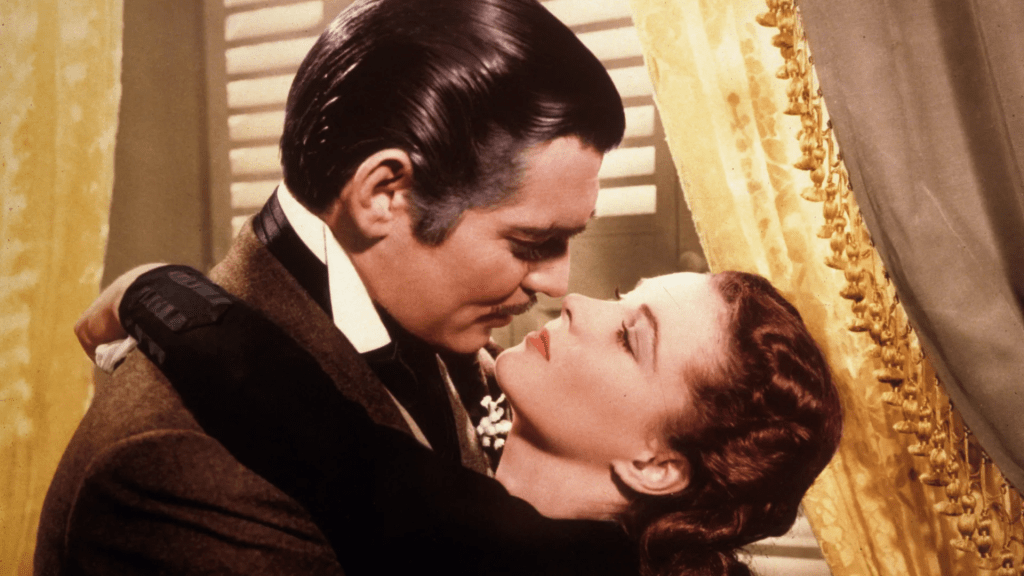
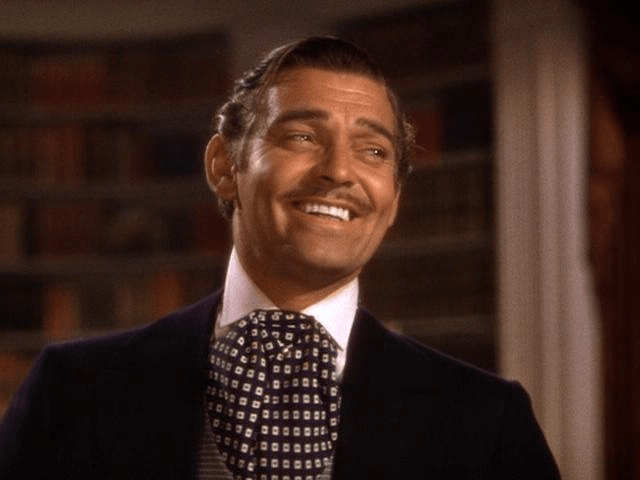
The ending is more ambiguous. The film closes on that iconic line and Scarlett’s determined face, and you leave the cinema thinking she’ll get Rhett back through sheer willpower. The book is less reassuring. Mitchell gives you hope, but it’s thinner, more uncertain. Rhett’s exhaustion feels more final on the page. Scarlett’s determination reads less like romantic resilience and more like a woman who still hasn’t learned to see what’s right in front of her. It’s a more uncomfortable ending, and a more honest one.
The racial depictions are harder to sit with. This needs acknowledging. Both the film and the book are products of their time, but the book is more explicit in its portrayal of enslaved and formerly enslaved characters. Mitchell writes from a perspective deeply embedded in the mythology of the Lost Cause, and the Black characters are largely rendered through that lens. The language is at times deeply uncomfortable to a modern reader. The film softened some of this (Hattie McDaniel’s Mammy, while still a stereotype, is given more dignity through McDaniel’s extraordinary performance), but neither version escapes the limitations of its era. It’s something I think any honest discussion of the book has to reckon with, even if you love the story as much as I do.
Why Scarlett Still Matters to Me
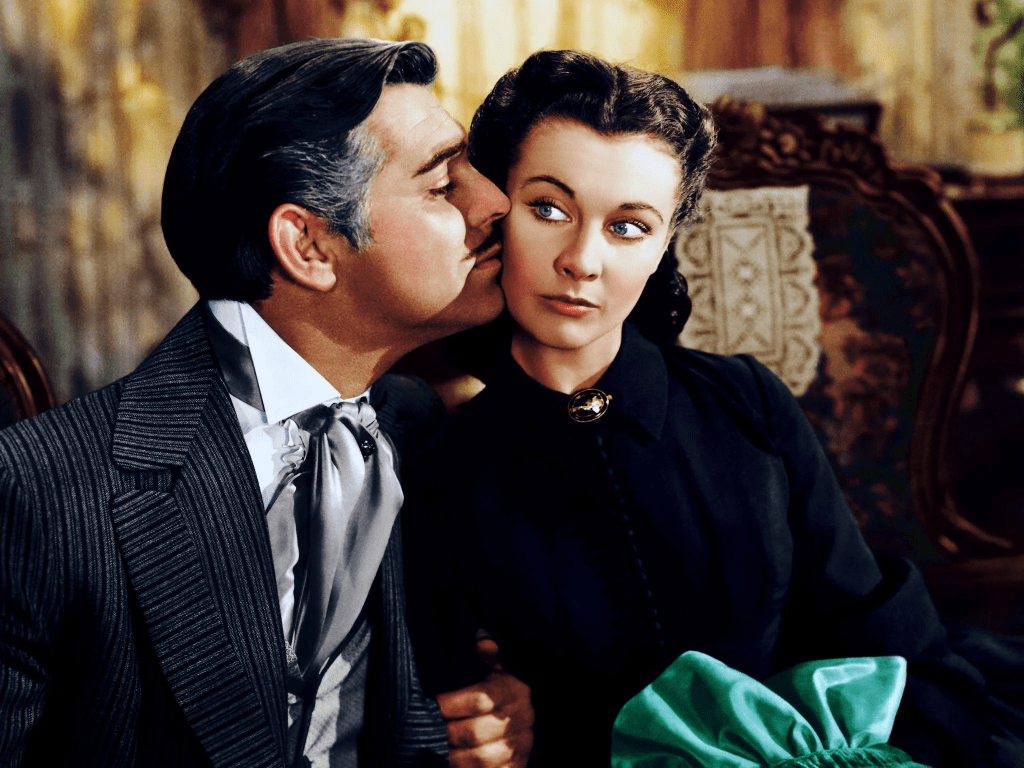
I said Scarlett was my role model, and I mean it, with all the complications that implies. She’s not a good person, not really. She’s vain, manipulative, and often cruel. She pines for the vapid Ashley Wilkes while the magnetic Rhett Butler is standing right there, practically holding up a sign. Her romantic judgement is catastrophic. I’ve made my fair share of questionable decisions on that front, and Scarlett’s misadventures have always felt like a comforting reminder that even the fiercest among us can be absolute fools when it comes to love.
But she survives. That’s the thing. She loses everything and she keeps going. Not gracefully, not nobly, but stubbornly, viciously, on her own terms. There’s something in that I’ve always found deeply moving, even when she’s at her worst.
Reading the book gave me a fuller picture of her, and I’m grateful for it. The film made me love Scarlett. The book made me understand her.
The Verdict (Or: Why You Should Read It Even If You’ve Seen the Film)
If you’ve watched Gone with the Wind and think you know the story, you’re only halfway there. The novel is richer, messier, more uncomfortable, and more rewarding than the film can be in four hours. It’s also, despite its length, a genuine page-turner. Mitchell writes with the same relentless momentum that Scarlett lives by, and I found it very hard to put down.
Now, if you’ll excuse me, I’m off to rewatch the film and marvel once more at Leigh’s brilliance. After all, tomorrow is another day.
Rights for these images are owned by Selznick International Pictures and Metro-Goldwyn-Mayer
 One Too Many Books